European Premiere
Back of the Portfolio 显影的想象
Short film Competition 2
Year of Production 2025
Production Countries/Regions China
Duration 20 mins
Genres Drama LGBTQ
Dialogue Language(s) Mandarin
Subtitle Language(s) Chinese and English
Director(s)
Miaoxin Zheng
Jiangdong Wu

Director’s Bio
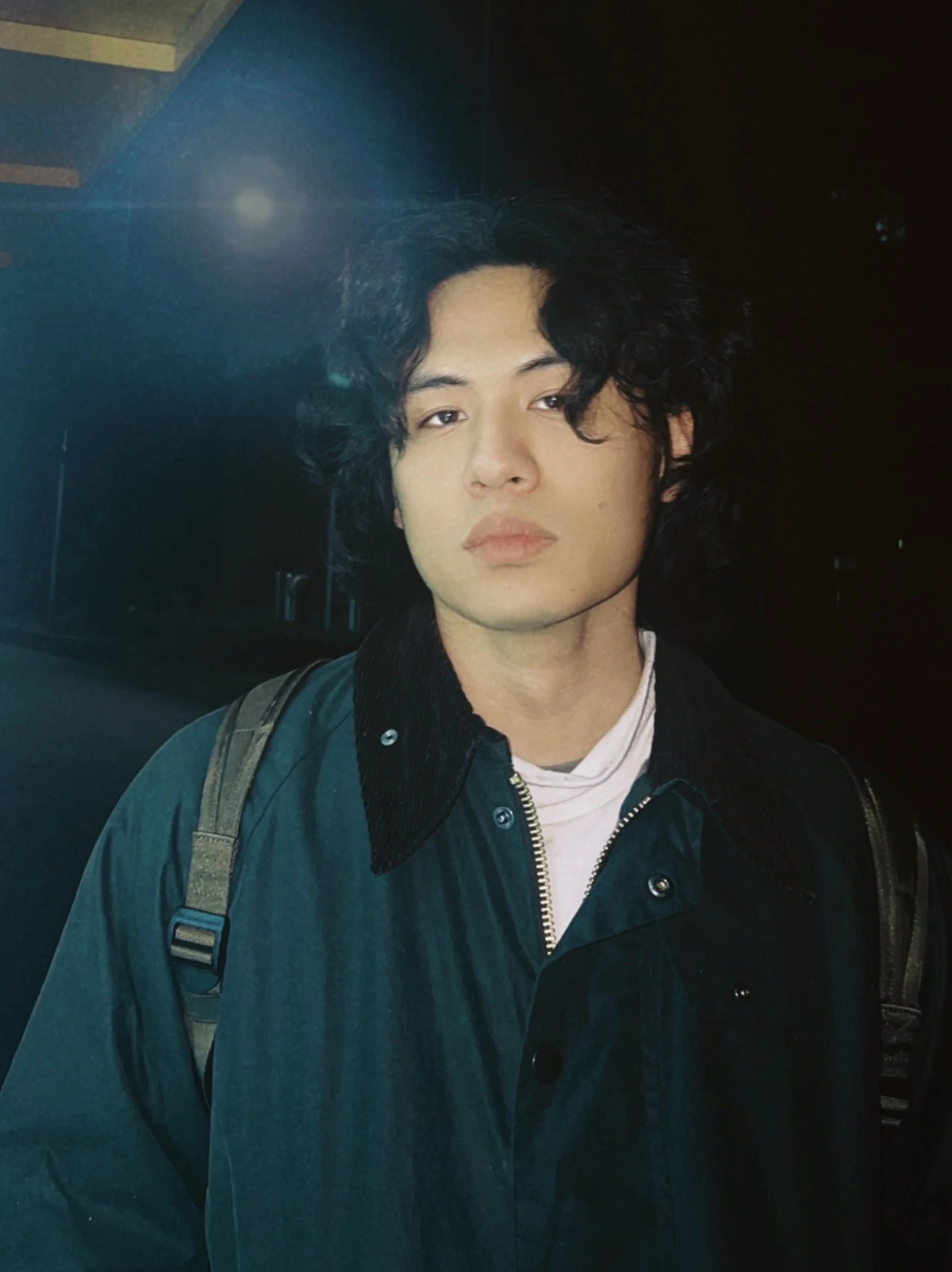
Miaoxin Zheng, Film/Advertising/AIGC Director, holds a graduate degree in Film Directing from the Shanghai Film Academy and a Master's in Film Creation from Shih Hsin University in Taiwan. He currently resides and works in Shanghai.
Jiangdong Wu, professional colorist/AIGC director, currently resides and works in Shanghai.
Synopsis
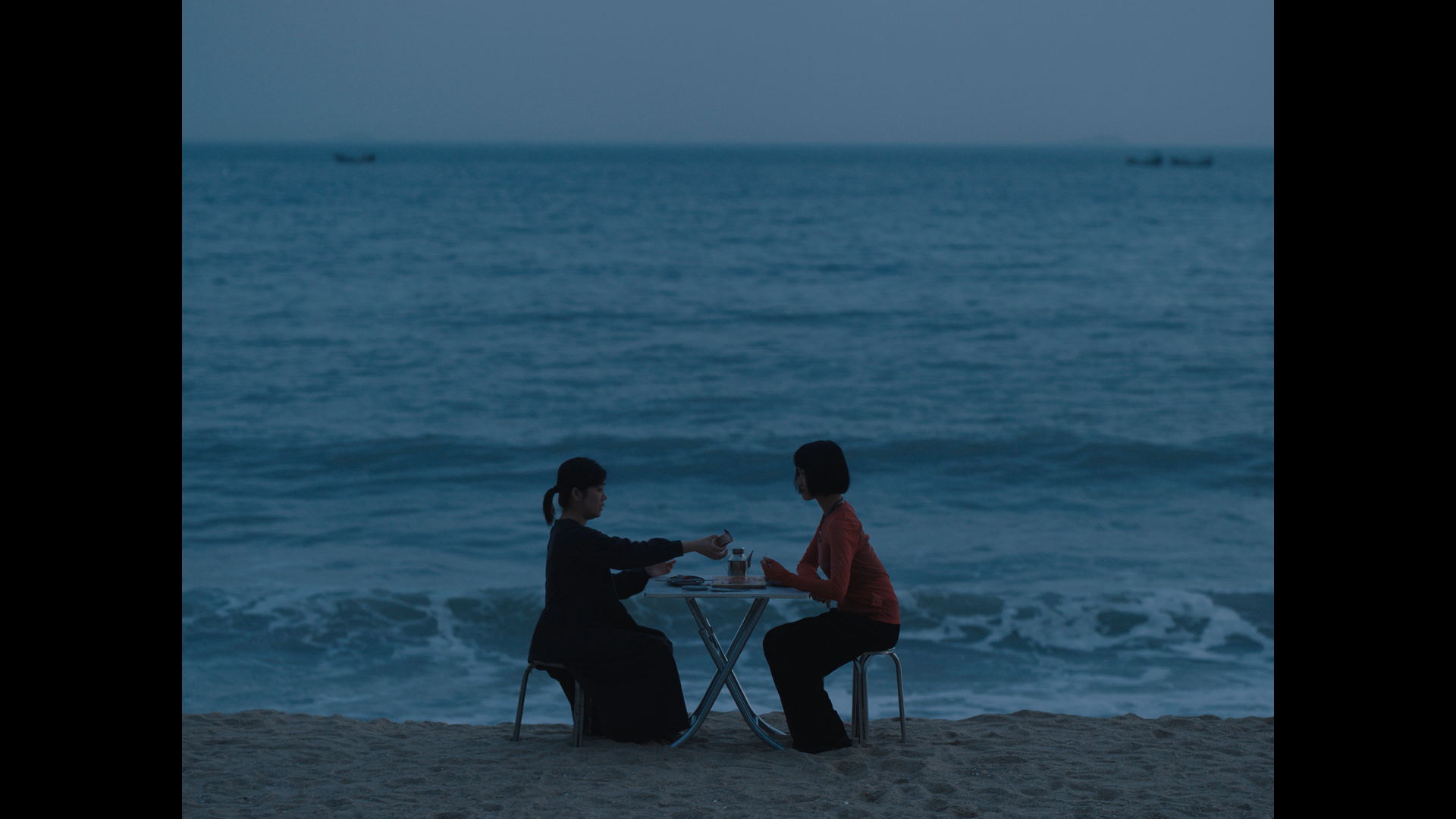
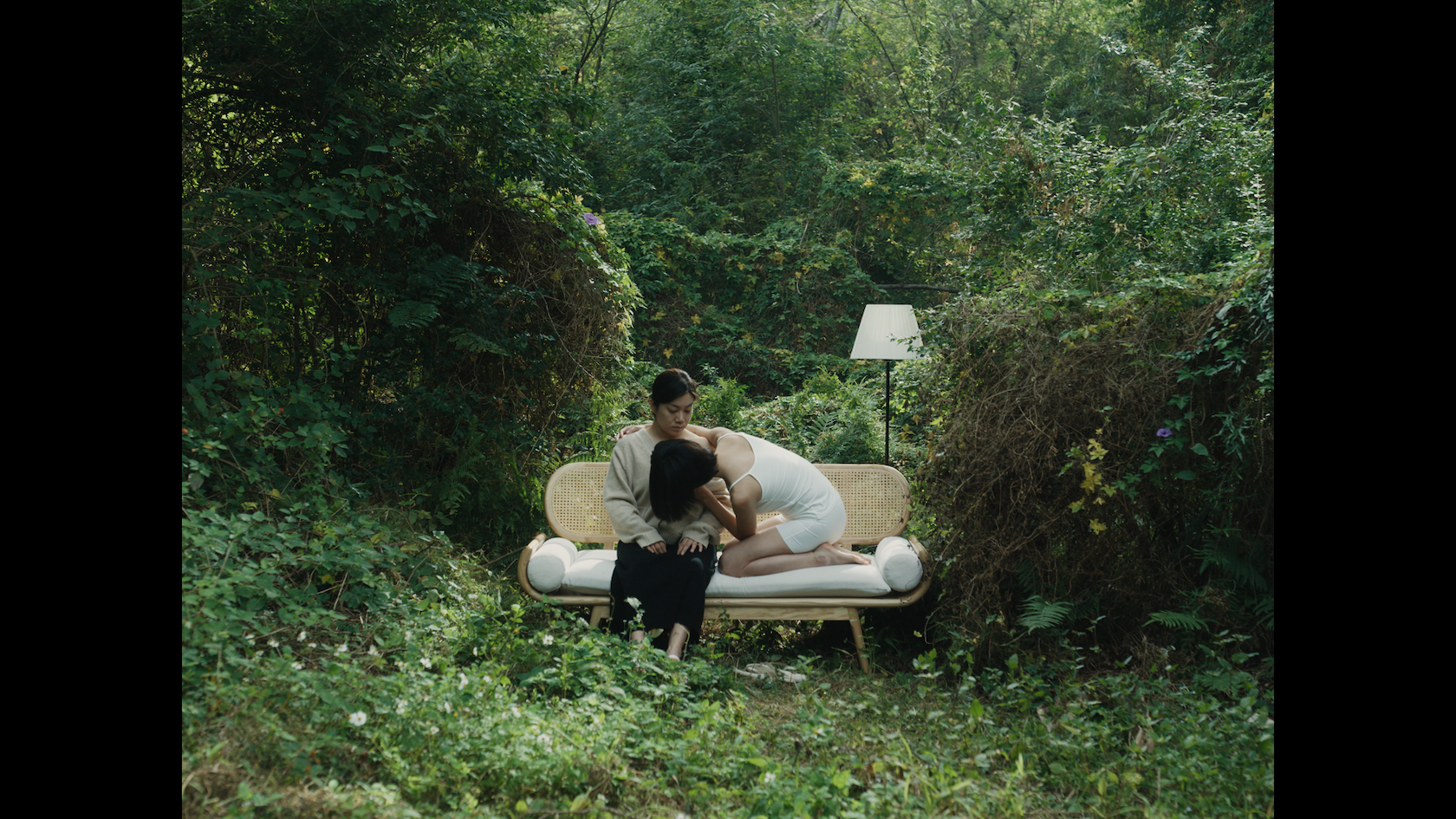
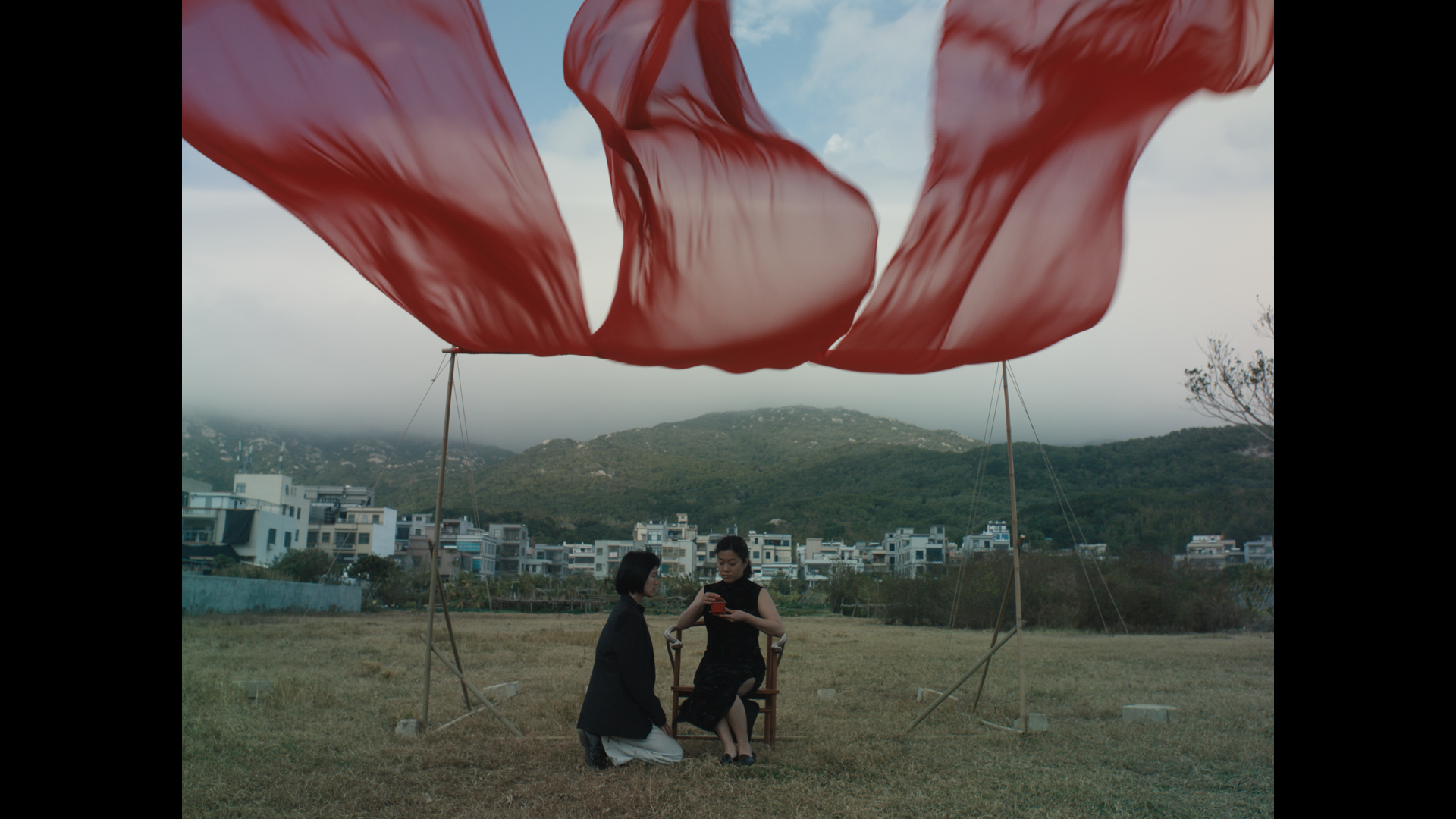
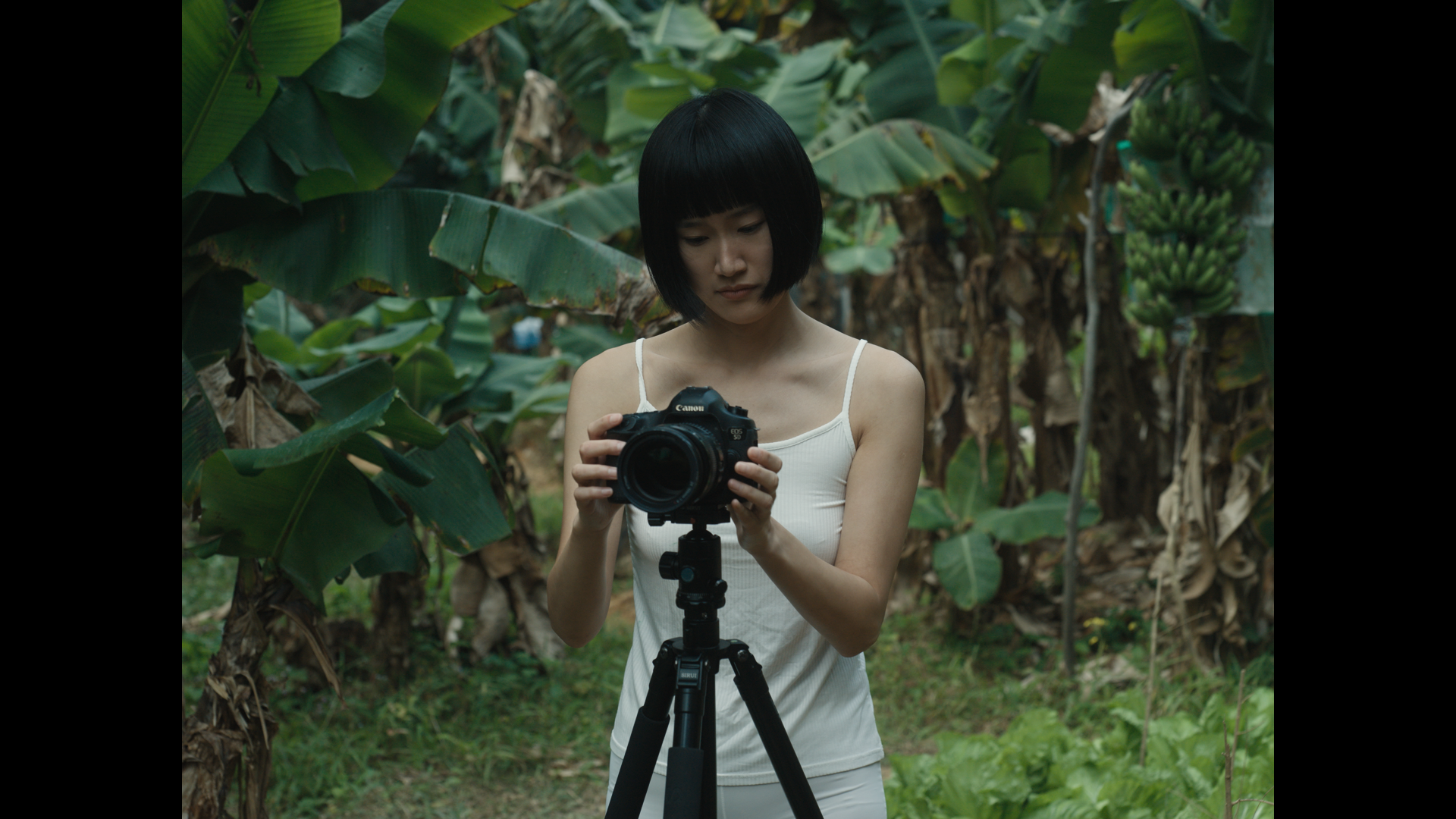
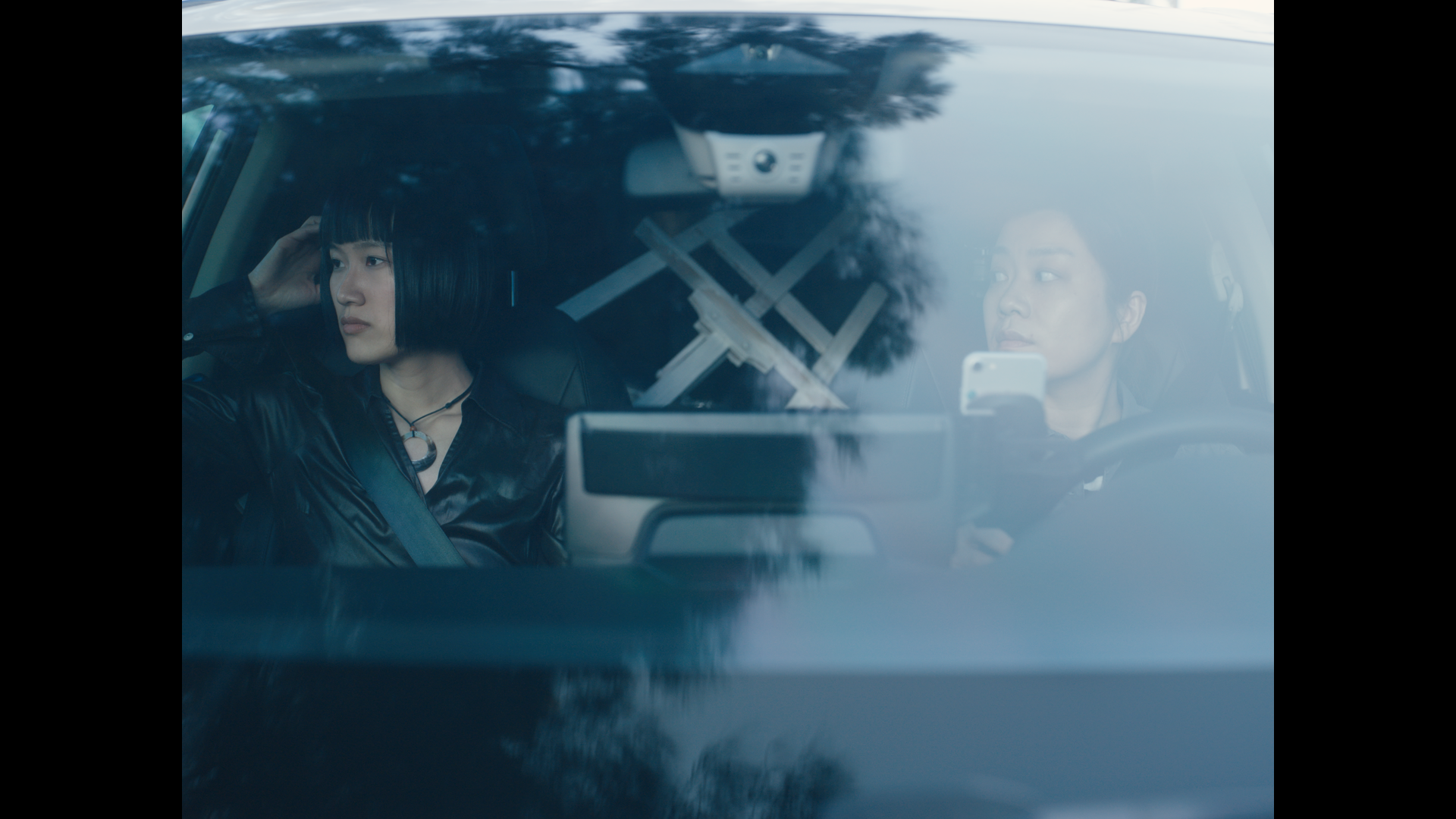
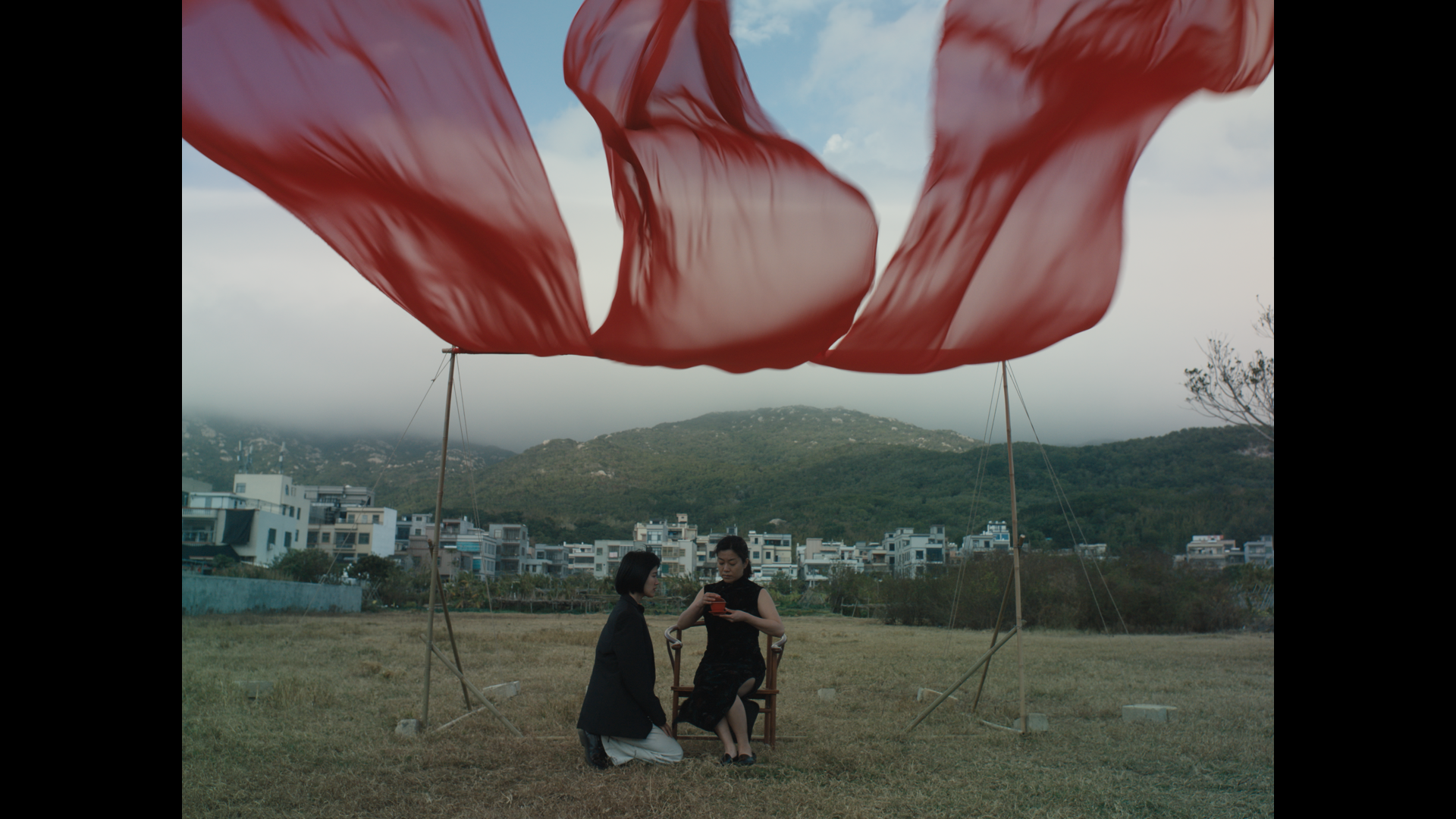
A middle-aged woman who escaped from a bad marriage follows her young girl lover to the island to shoot portfolio, playing her mother in the installations set up by the lover......
Festivals & Awards
2025 18th Beijing Queer Film Festival
2025 33rd MixBrasil Film Festival
2026 7th HiShorts! Film Festival
Scriptwriter(s)
Miaoxin Zheng
Producer(s)
Tianyi Gao
Executive Producer(s)
Key Casts
Luying Gu
Xiuyi Li
Curators’ note
Amid the poetic imagery of rainforests and ocean waves, a montage of folkloric and personal memories drifts alongside the soft murmurs of the Tale of Lychee Mirror, forming a space that hovers between lyricism and detachment. A lesbian couple marked by their stark difference, a young artist and her older, divorced partner, navigate an intimacy in which trauma is ambiguously handled, turned into the raw material of art and shaped into a visible spectacle.
As the camera wraps around the contours of the wound and illuminates the artist’s self-regarding gaze, the film turns inward on the act of creation itself: when a body of work assembled through concepts and forms confronts lived pain, does it risk becoming little more than a rhetorical display? (Youxi Chen, edited by Xiyun Li)
Director’s Statement
This is a story about desire, the illusion of motherhood, and the predicament of female subjectivity, unfolding around a middle-aged woman's escape and subsequent re-entrapment. Through role-playing and visual reconstruction, it reveals how women's bodies are gazed upon and appropriated, and how they struggle to survive amidst fragmentation.