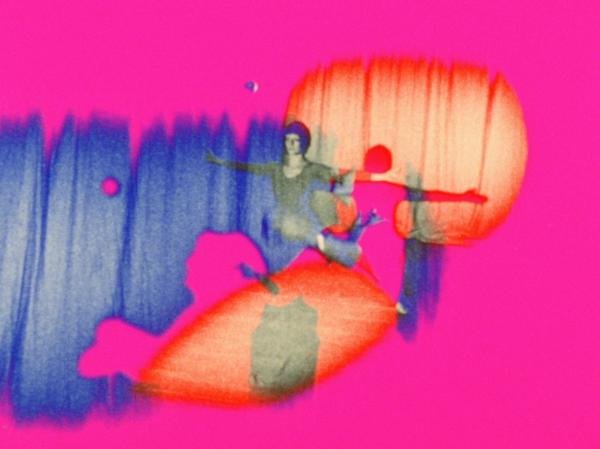
Riddles of the Sphinx 斯芬克斯之谜
Cinephilia Encounters: Amorous Exile and the Gaze
Year of Production 1997
Production Countries/Regions
Unitied Kingdom
Duration 92 mins
Genres Drama
Dialogue Language(s) English
Subtitle Language(s) English
Director(s)
Laura Mulvey
Peter Wollen
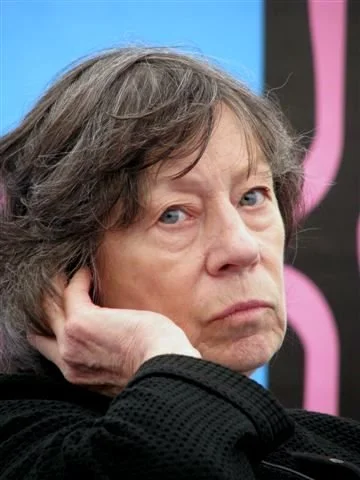
Director’s Bio
Laura Mulvey is a British feminist film theorist and filmmaker. She was educated at St Hilda's College, Oxford. She is currently professor of film and media studies at Birkbeck, University of London. She previously taught at Bulmershe College, the London College of Printing, the University of East Anglia, and the British Film Institute.
Synopsis
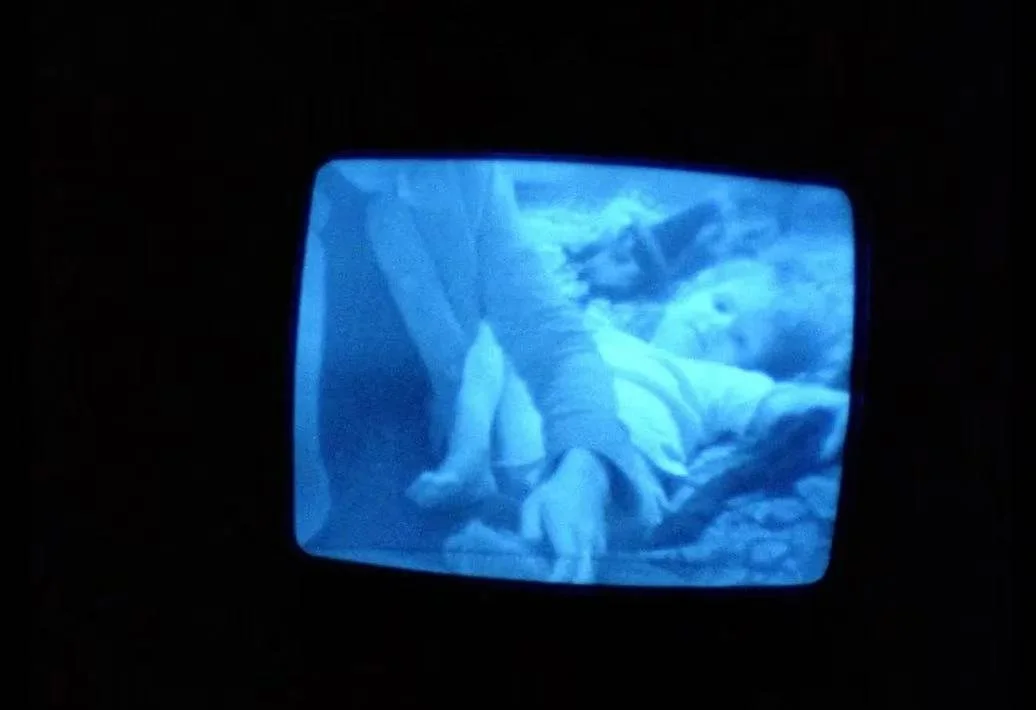
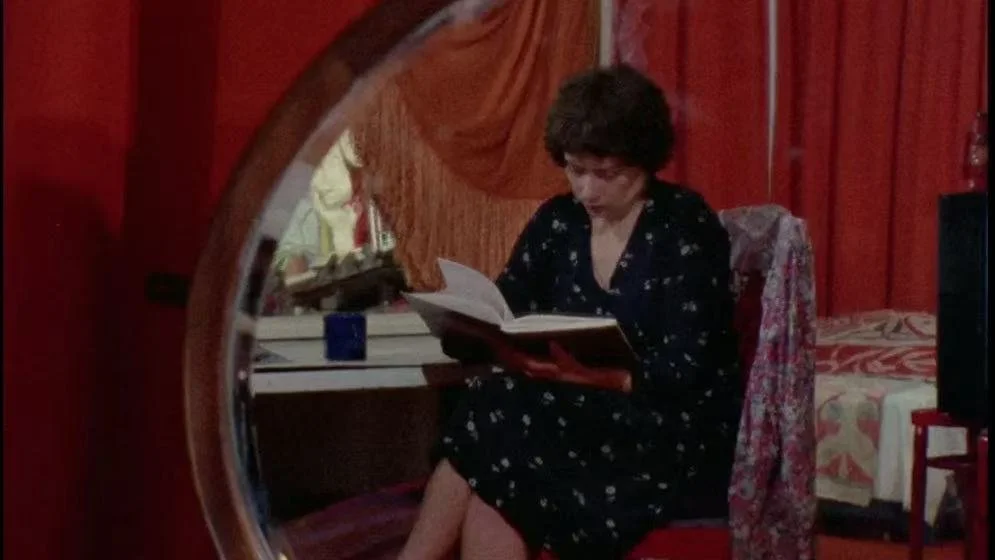
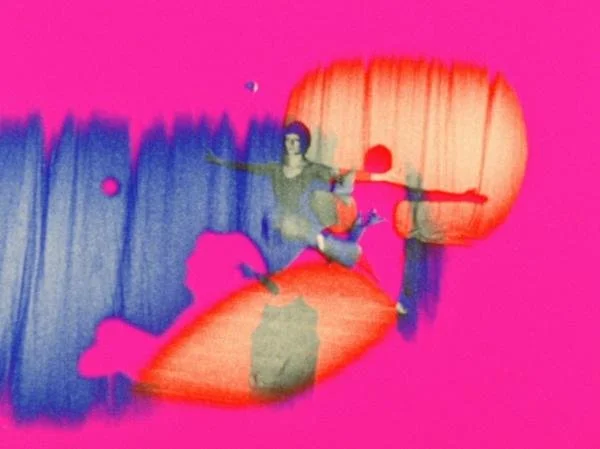
A pioneer of feminist avant-garde cinema, Laura Mulvey and Peter Wollen’s Riddles of the Sphinx (1977) follows Louise, who navigates the complications of motherhood and domestic labor. Structured in seven distinct sections, the film unfolds through fragmented imagery and dialogue in Louise’s life, accompanied by Mulvey’s retelling of the Sphinx, whose riddle resonates with the enigma of motherhood. Through this figure, the film engages with feminist and psychoanalytic concerns and redefines how women are seen and heard on screen.
Festivals & Awards
1977 31st Edinburgh International Film Festival – World Premiere
Scriptwriter(s)
Laura Mulvey, Peter Wollen
Producer(s)
Laura Mulvey, Peter Wollen
Executive Producer(s)
Key Casts
Dinah Stabb, Merdelle Jordine, Rhiannon Tise
Curators’ note
Laura Mulvey and Peter Wollen’s Riddles of the Sphinx (1977) employs experimental imagery to interrogate women’s representation within patriarchal filmmaking. Its signature 360-degree panning shots glide slowly through domestic and professional spaces in Louise’s life, disrupting cinematic conventions built on female objectification and turning the act of looking itself into an object of reflection. Rejecting the camera’s role as a tool of fetishisation, the film directs attention to the social structures shaping women’s experience. The presence of multiple female voices—including Louise, her friends and colleagues, and Mulvey herself—replaces the singular authority of traditional voiceover, challenging established meanings of “woman” on and off the screen. (Crystal Xinjie Wang)
Director’s Statement
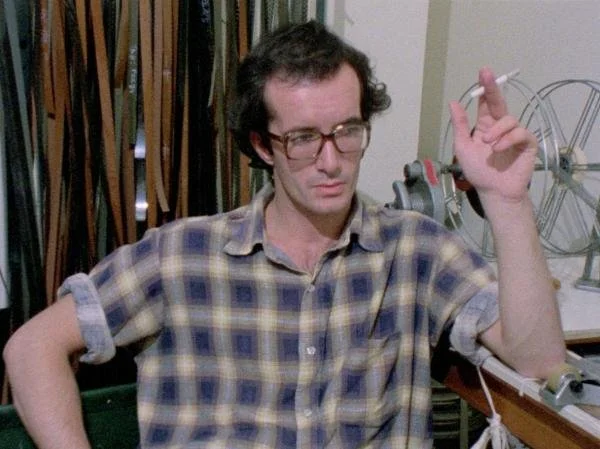
In this film, I discuss how my collaboration with Peter was fundamental to our exploration of experimental cinema. We were both deeply influenced by the feminist movement and psychoanalytic theory, particularly in Riddles of the Sphinx. The film was very much an attempt to move away from traditional narrative structures, creating an experiment that intertwined sound and image, text and image. We were inspired by Godard’s work and sought to push beyond the purity of cinema as a medium, exploring new possibilities. The process was always collaborative, and working with someone like Mike Ratledge, whose music added an important emotional layer, was essential to our approach.(Excerpt)