

Review After the Snowmelt
Siria Falleroni
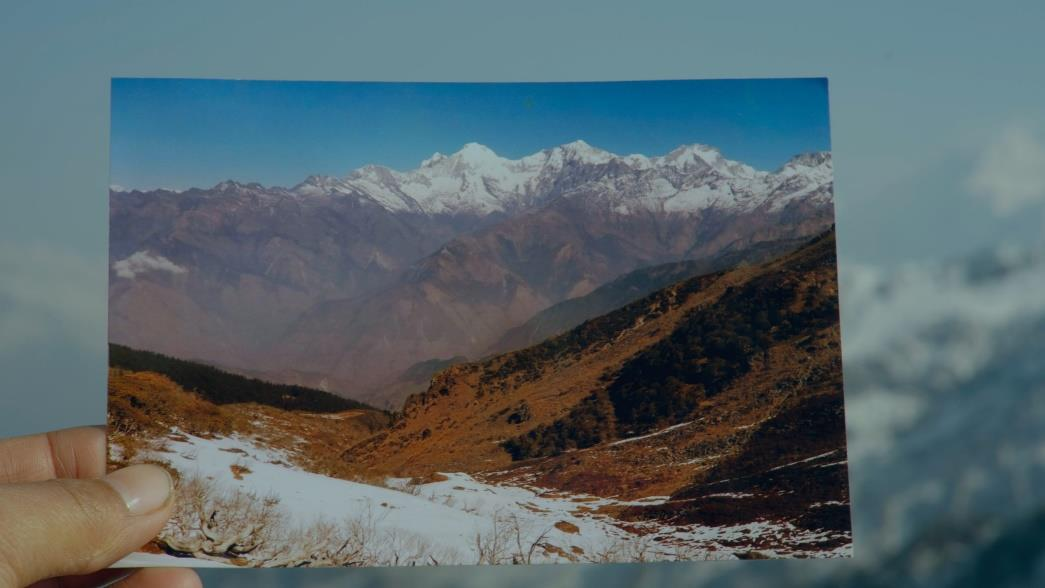
After the Snowmelt is the first feature by Taiwanese director Yi-Shan Lo, competing in the “C-FILMS IN FOCUS” section of the third edition of “Mint Chinese Film Festival”. We are faced with a documentary that is approached from the deeply personal perspective of its author, rather than following a more “classic” approach.
Documentary as a healing ritual
The reason for the creation of this work stems from the director’s deep wound, a personal tragedy. In 2017, her two high school best friends, Chun and Yueh, a traveling couple, were trapped in a cave in Nepal for over 40 days. Yueh survived by eating salt, while Chun died three days before help arrived.
The beating heart of this documentary and its driving force lie in the letter that Chun wrote to the director during the agonizing days of his suffering. “Yi-Shan, the only thing you have to do is love”, he wrote in a trembling handwriting.
I argue that “After the Snowmelt” is not so much a documentary, but a process of reconciliation with life (and death) through the camera. A healing ritual, a form of therapy that consists of looking at oneself from the seemingly impartial perspective of the camera.
Clearly, this therapy is not just about oneself but extends towards the Other. In this case, Yi-Shan’s camera is also aimed at her friend, Chun’s love, and the only survivor, Yueh. As mere spectators, we confronted with two very different pains, but above all, two opposite ways of dealing with trauma. Yi-Shan's grief stems from a kind of death that none of us ever anticipate. While we often imagine our own death or that of our relatives, we rarely think about the death of our close friends. And when this grief actually strikes, we find ourselves gasping for air. Yueh, on the other hand, lives not only with the pain of losing his lover, but also with the crippling torment of guilt: he is the survivor. He is alive, and Chun is not. The suffering of these two friends clashes powerfully in the film. Yueh cannot express the grief that others might expect from him; he is smiling, he does not give in to despair, he avoids confessions in front of the camera, and he leaves the shooting earlier. Yi-Shan, on the other hand, clings to the camera with all her being seeking to reconcile with life.
“We had such a thirst to live”: freedom and nature
The director and her best friend met at a Catholic girl’s high school in Taiwan, a place where Chun explored his gender identity, raising controversies within the strict religious confines. Chun found great support in Yi-Shan and Yueh, but it is the desire for freedom and the connection with nature that only seemed to ease his pain. This parallel between the analysis of one’s own body and the need to unite with nature is very interesting. Nature is both the mirror of Chun and his vital force, but also the place where he loses himself. “We had such thirst to live like a stream we plunge with resolution, learning the speech on muntjacs and bears. We knit ourselves back with leaves one stitch at a time as though we could but scurry like the mist drift like pathogens at the bottom of the dale”, Chun writes in a poem.
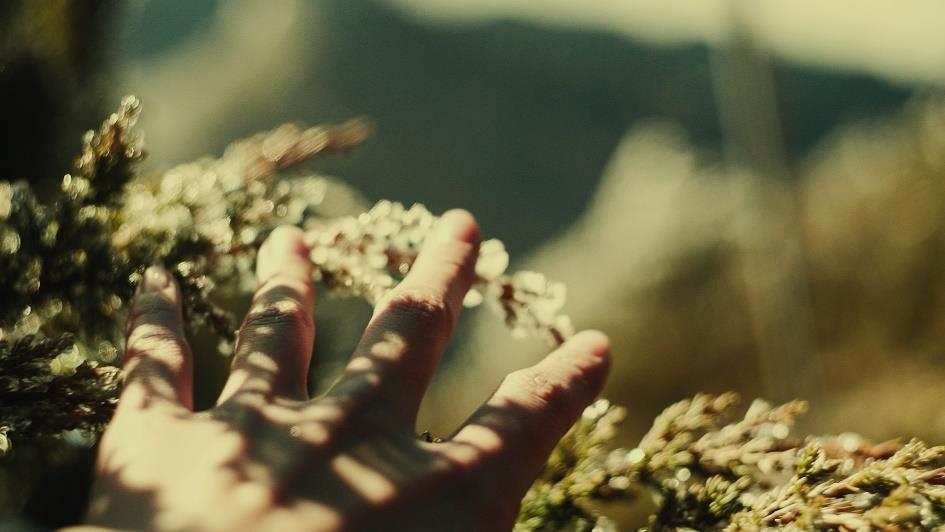
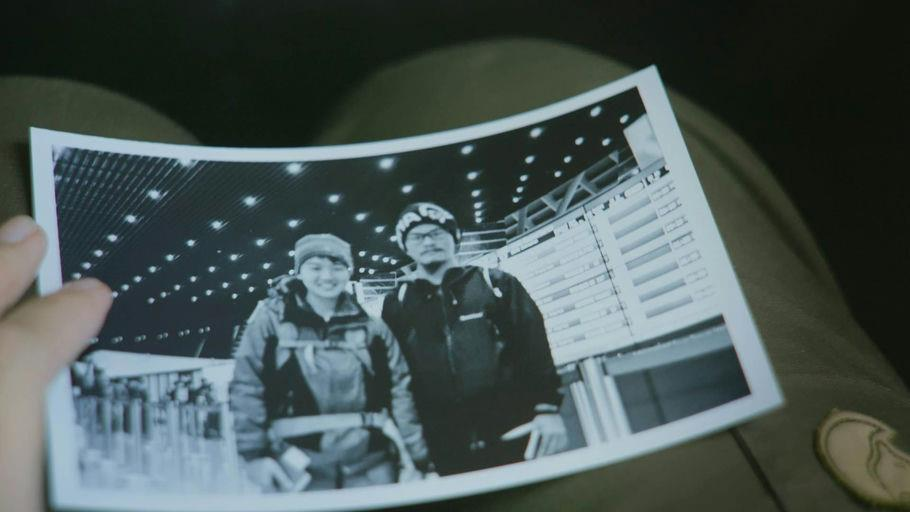
One of the most touching parts of “After the Snowmelt” is when Yi-Shan decides to revisit the places once explored by the two friends, almost forcing her body to see that nature which Chun so loved, but which also mercilessly took away his life. The director’s pilgrimage constitutes the final step of the “healing” ritual, an attempt to fully live out Chun’s last invitation: to love, no matter what. Adding to the personal nature of the documentary are the inclusion of screens, photographs, videos, poems, and even voice messages, where we hear Chun’s melancholic voice speaking to his friend about memories, films, and desires. While “After the Snowmelt” may not be a flawless work, its imperfections make it profoundly human. It is a difficult viewing, as we, the audience, feel almost like intruders, and any attempt at critical judgment would be futile, if not inhumane. It unveils a pain belonging to someone we don’t know - a wound that will never fully heal - but one that finds solace in the transformative power of cinema.
Siria Falleroni
Insta: @siriafalleroni
She/she
Siria Falleroni graduated in Chinese language and culture from the University of Venice, where she worked for three years in a row at the Venice International Film Festival. She has participated in various film festival juries and critic workshop, such as Brussels International Film Festival and Five Flavours Asian Film Festival in Warsaw. Her main areas of interest include East Asian cinema with a focus on China, documentaries and independent cinema.