
UK Premiere
A Chinese Ghost Story 倩女幽魂
Opening Gala / Retro Screening
Year of Production 1987
Production Countries/Regions
Hong Kong SAR
Duration 98 mins
Genres Romance Fantasy Wuxia
Dialogue Language(s) Cantonese
Subtitle Language(s) English
Director(s) Siu-Tung Ching
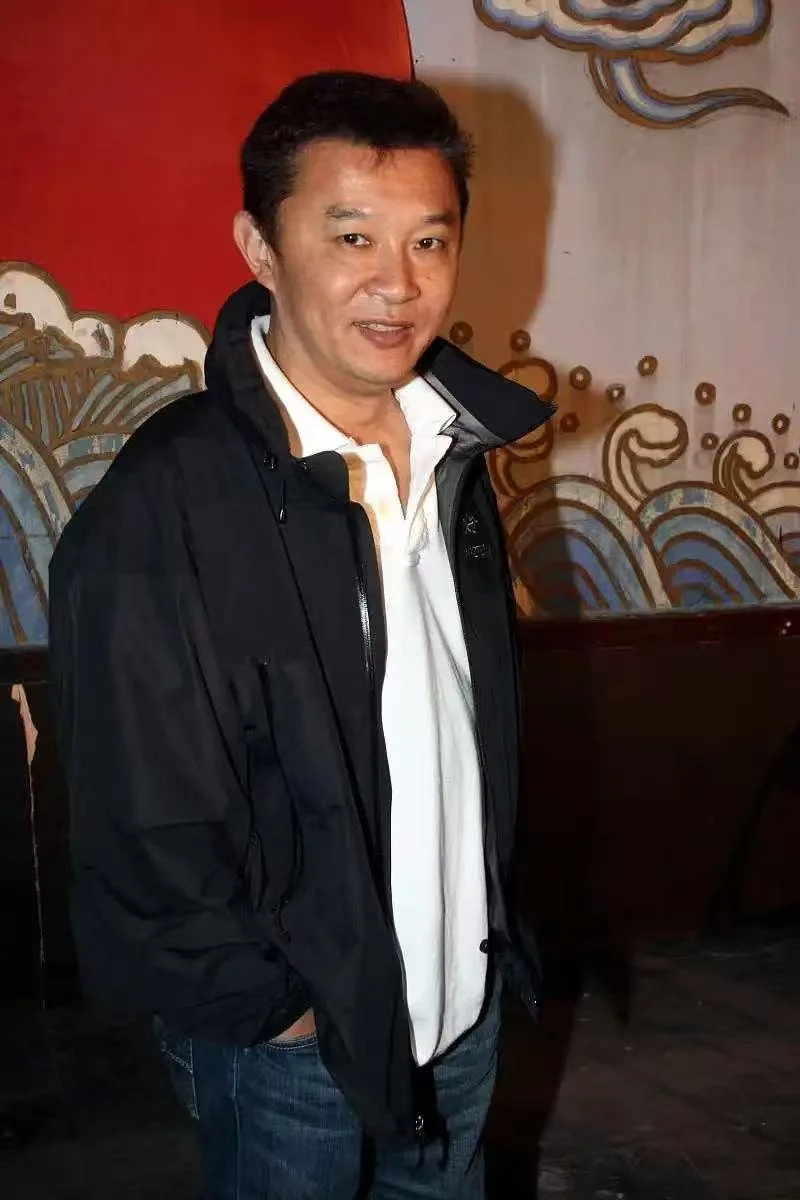
Director’s Bio
Ching Siu-tung is a renowned Hong Kong action choreographer and film director, widely regarded as a key pioneer of Chinese wuxia and action cinema. Rising to prominence in the 1980s, he is celebrated for his dynamic, gravity-defying choreography and poetic visual style, which reshaped the language of martial arts filmmaking. His representative works include A Chinese Ghost Story and New Dragon Gate Inn, earning him multiple Hong Kong Film Awards.
Synopsis
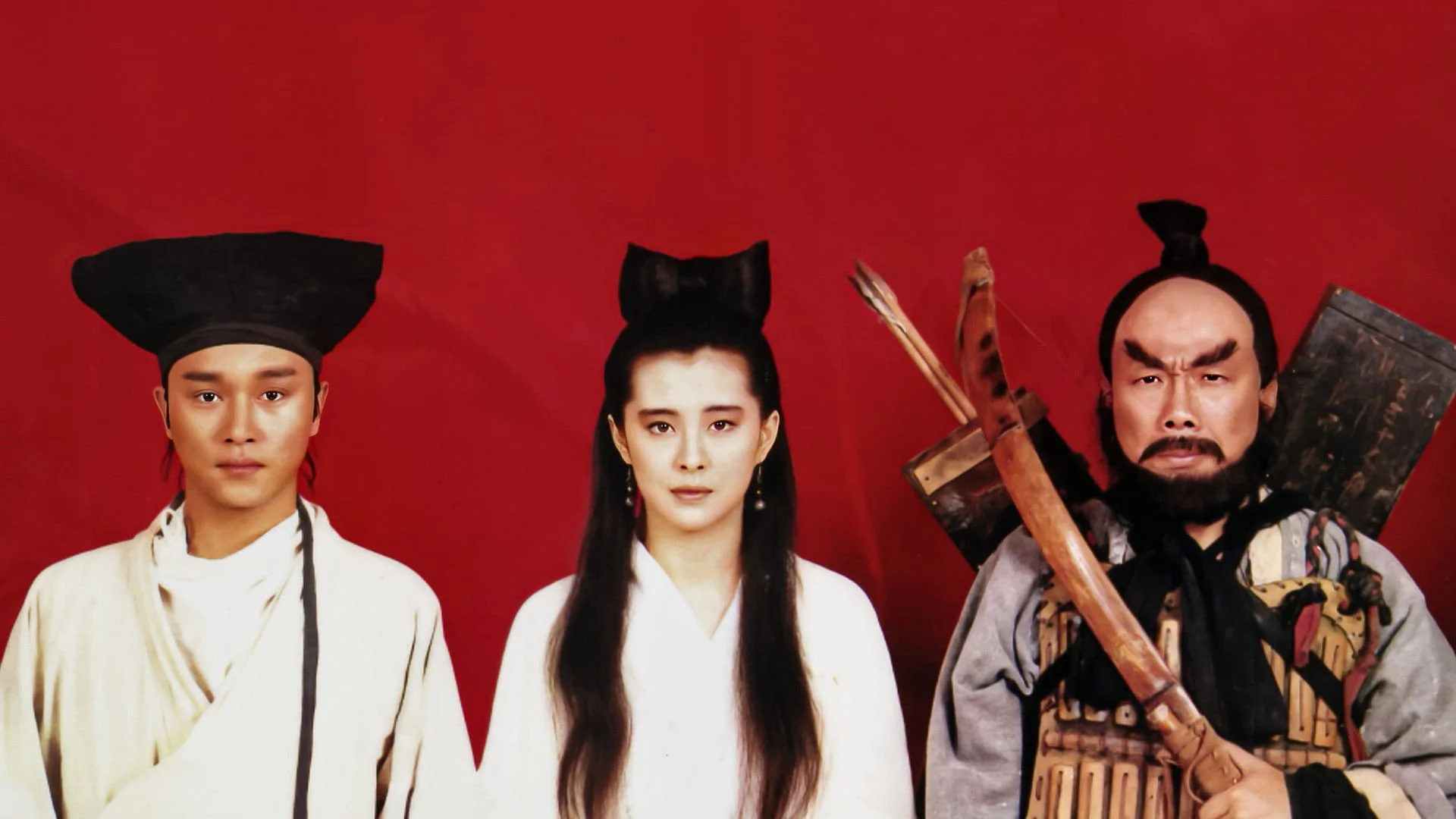
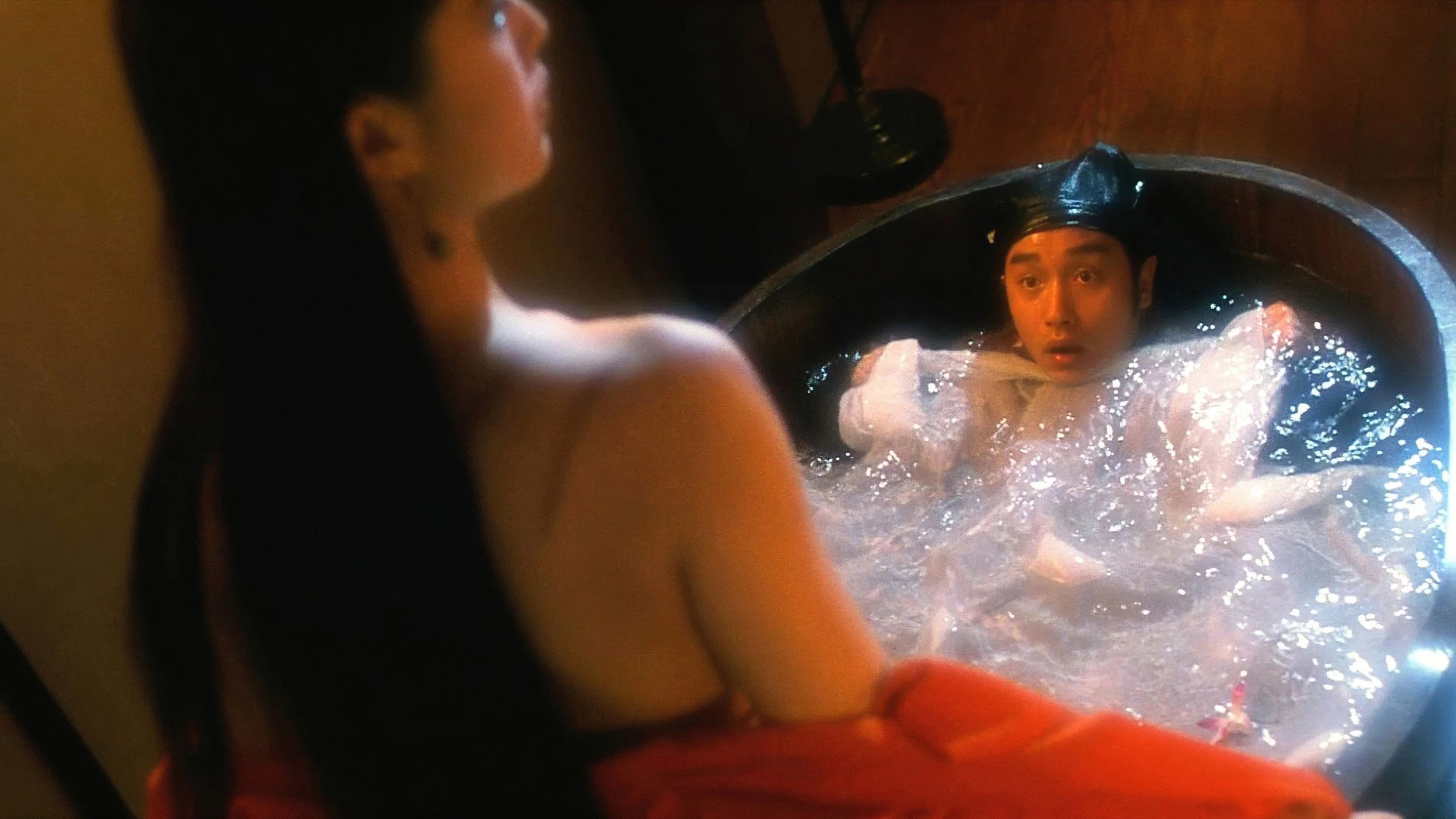
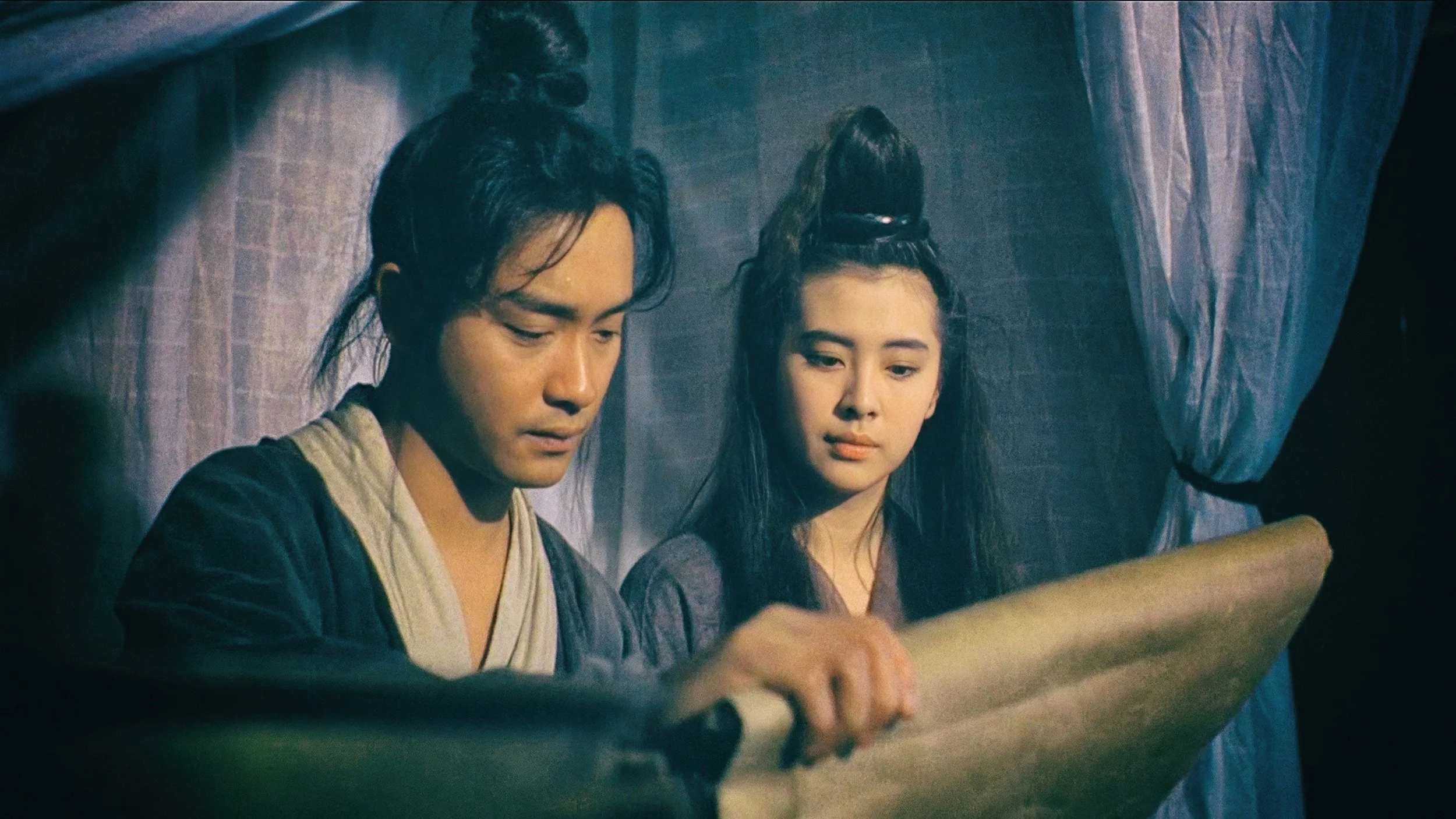
A debt collector has no other choice than to spend the night in a haunted temple, where he encounters a female ghost, whom he falls in love with. To save her soul he must work with a monk to defeat the tree demon who owns her spirit.
Festivals & Awards
1987 24th Taipei Golden Horse Film Festival – 4 awards including Best Editing, and 4 nominations including Best Original Song
1988 7th Hong Kong TV Awards – 3 awards including Best Art Direction, and 8 nominations including Best Film
Scriptwriter(s)
Kai-Chi Yun
Producer(s)
Zhen Zhong
Executive Producer(s)
Hark Tsui
Key Casts
Leslie Cheung, Joey Wang, Wu Ma, Lau Siu Ming
Curators’ note
A wisp of a fragrant soul drifts between the human world and the underworld, embodying unfinished affection. Drawn from a well-known tale, A Chinese Ghost Story begins with the encounter between a scholar and a female ghost, reframing Pu Songling’s moral allegory through themes of repression and transgression. No longer a device for testing male virtue, a ghostly figure comes to be experienced as a woman once she is situated within a structure shaped by desire and control. Through its stylised spectral imagery, the film casts the fleeting radiance of human–ghost love against the fissures of gendered order. (Crystal Xinjie Wang, edited by Xiyun Li)
Director’s Statement